
Learning to read and write in a second language can seem like a major challenge during early childhood. However, when neuroscience and play come together, learning to read and write in English becomes a fascinating journey of discovery. In our classrooms, the Jolly Phonics programme transforms this process into a multi-sensory experience that naturally guides pupils throughout the entire Early Years stage.
The pedagogical basis: the multisensory approach (VAK) Creators Sue Lloyd and Sara Wernham designed the method to engage several sensory channels simultaneously: visual, auditory, and kinaesthetic. Early literacy succeeds best when children learn through active engagement. A child’s brain does not learn by isolating letters on paper, but by experimenting with physical movement. For this reason, we link each of the 42 sounds of the English language to three key elements:
- A unique gesture: This integrates muscle memory and body movement.
- A song and a short story: These place the phoneme in an engaging and fun context.
- A visual representation: This connects the shape of the letter (grapheme) with its sound (phoneme).
A journey of development:
From 3 to 5 years old The strength of the Jolly Phonics methodology lies in its continuity and in how it respects child development:
- 3 years old: Auditory discrimination and play. This offers the first introduction to the method. Young children become familiar with their first sounds through songs, stories, and imitating gestures. They learn to listen to English actively and associate movements with phonemes without writing pressure.
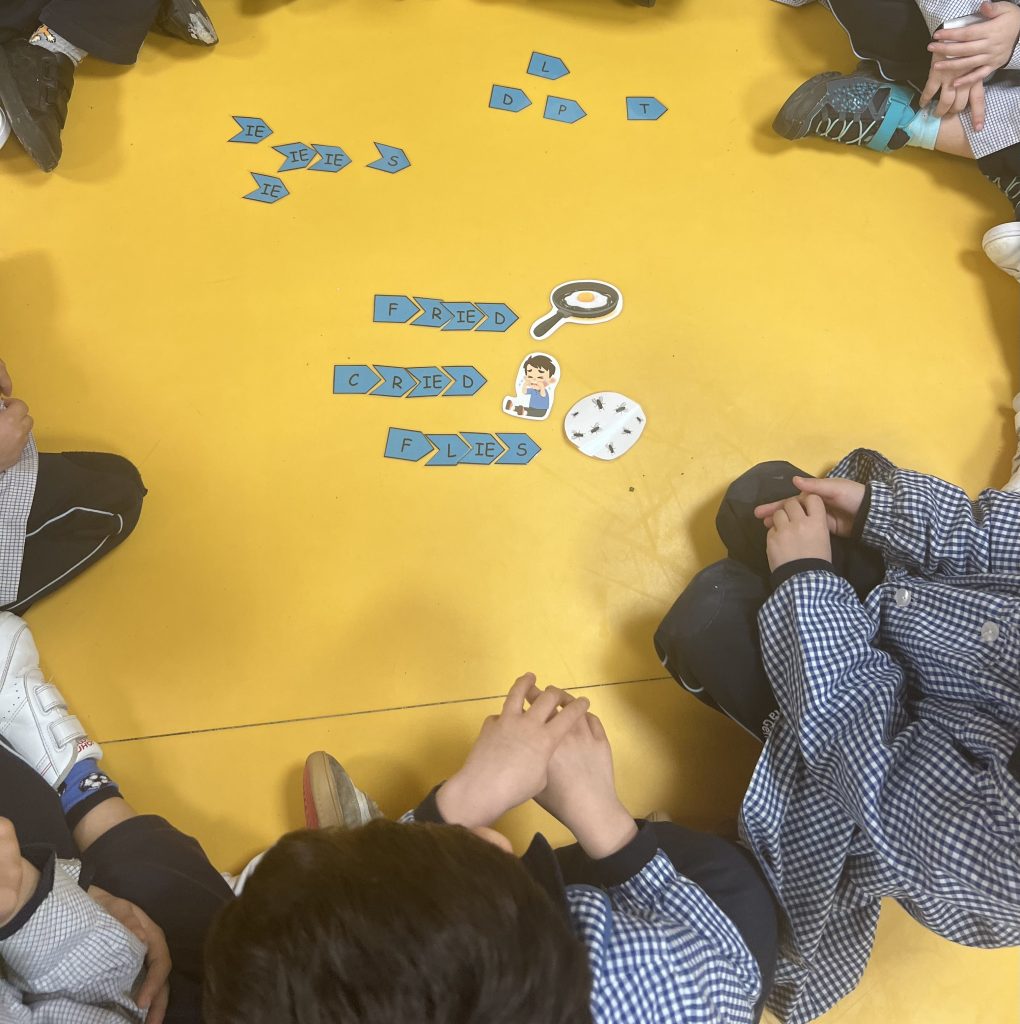
- 4 years: ‘Blending’ and independence. With a solid auditory foundation, pupils begin blending sounds to read their first words. By combining /s/, /a/, and /t/, pupils construct and read words independently (sat) rather than guessing them. This sparks a love of reading.
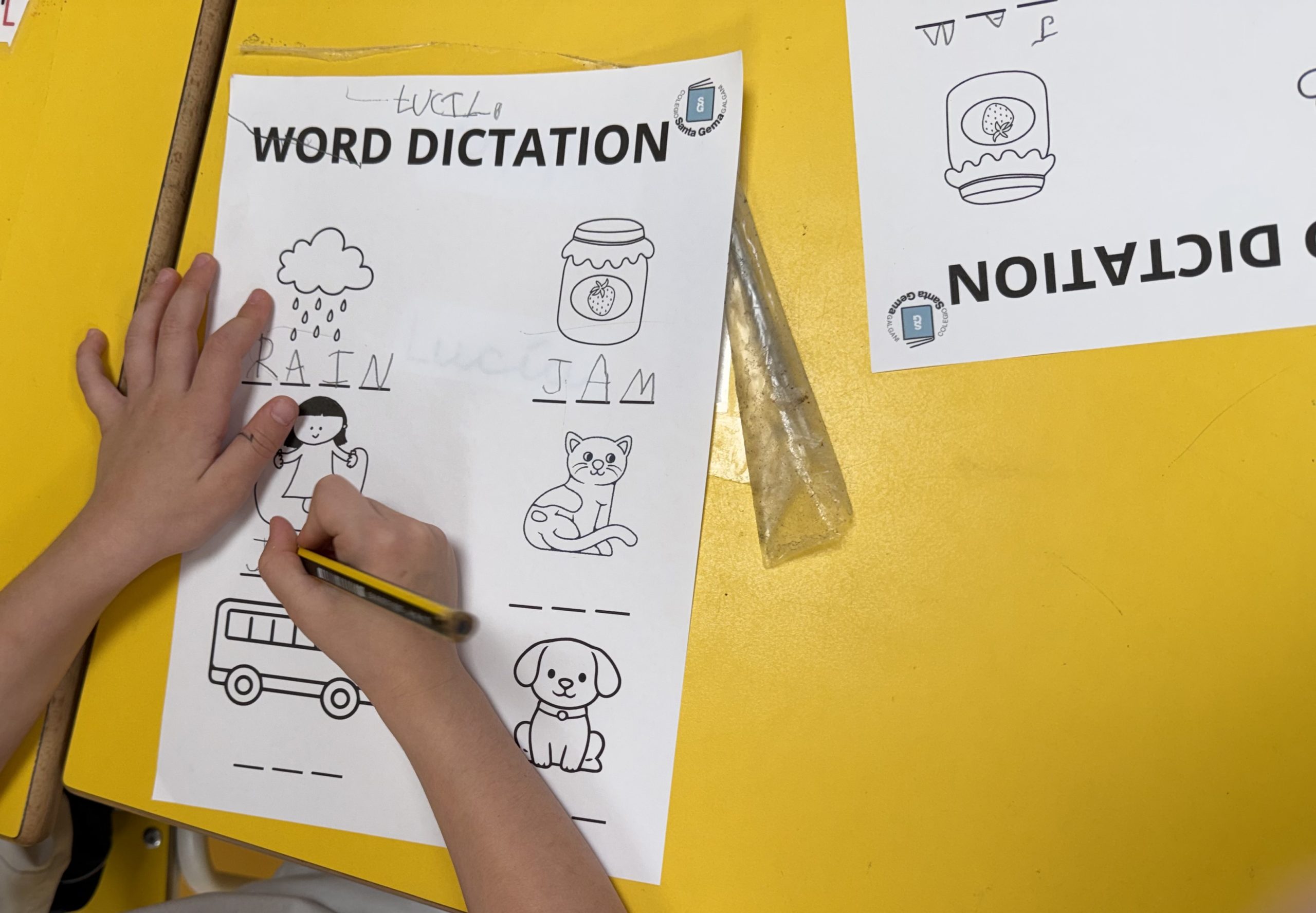
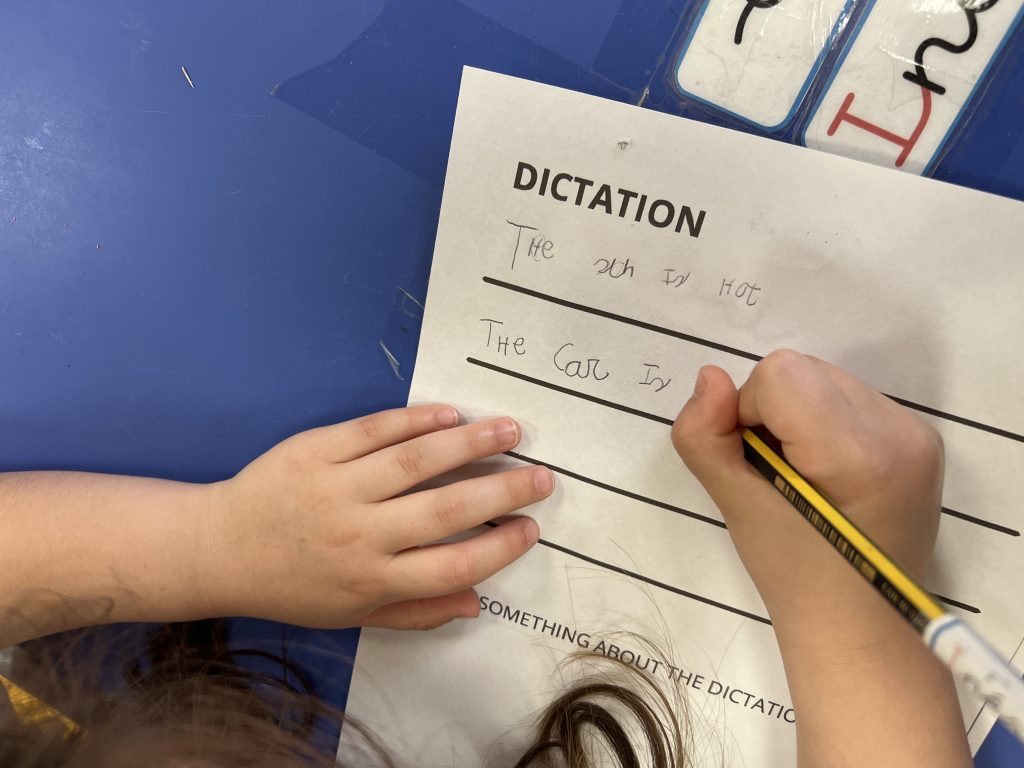
- Age 5: From reading to writing sentences. The process reaches its full potential here. Children read complex words fluently and decode ‘Tricky Words’ with irregular spelling. They also compose their own sentences spontaneously and creatively.
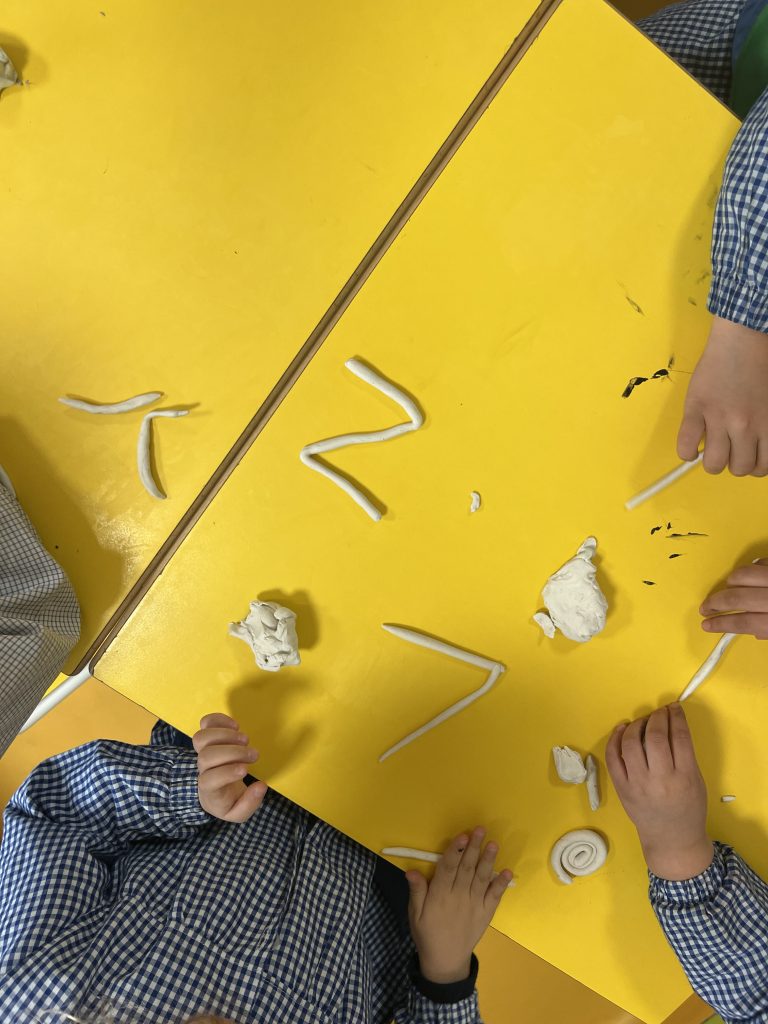
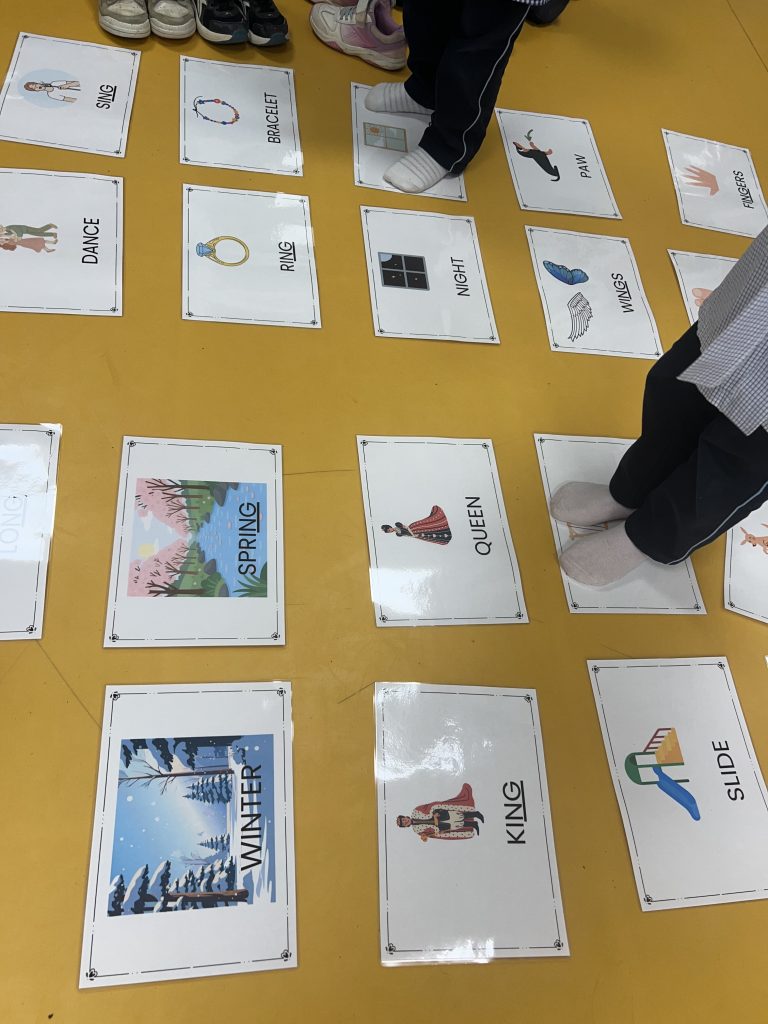
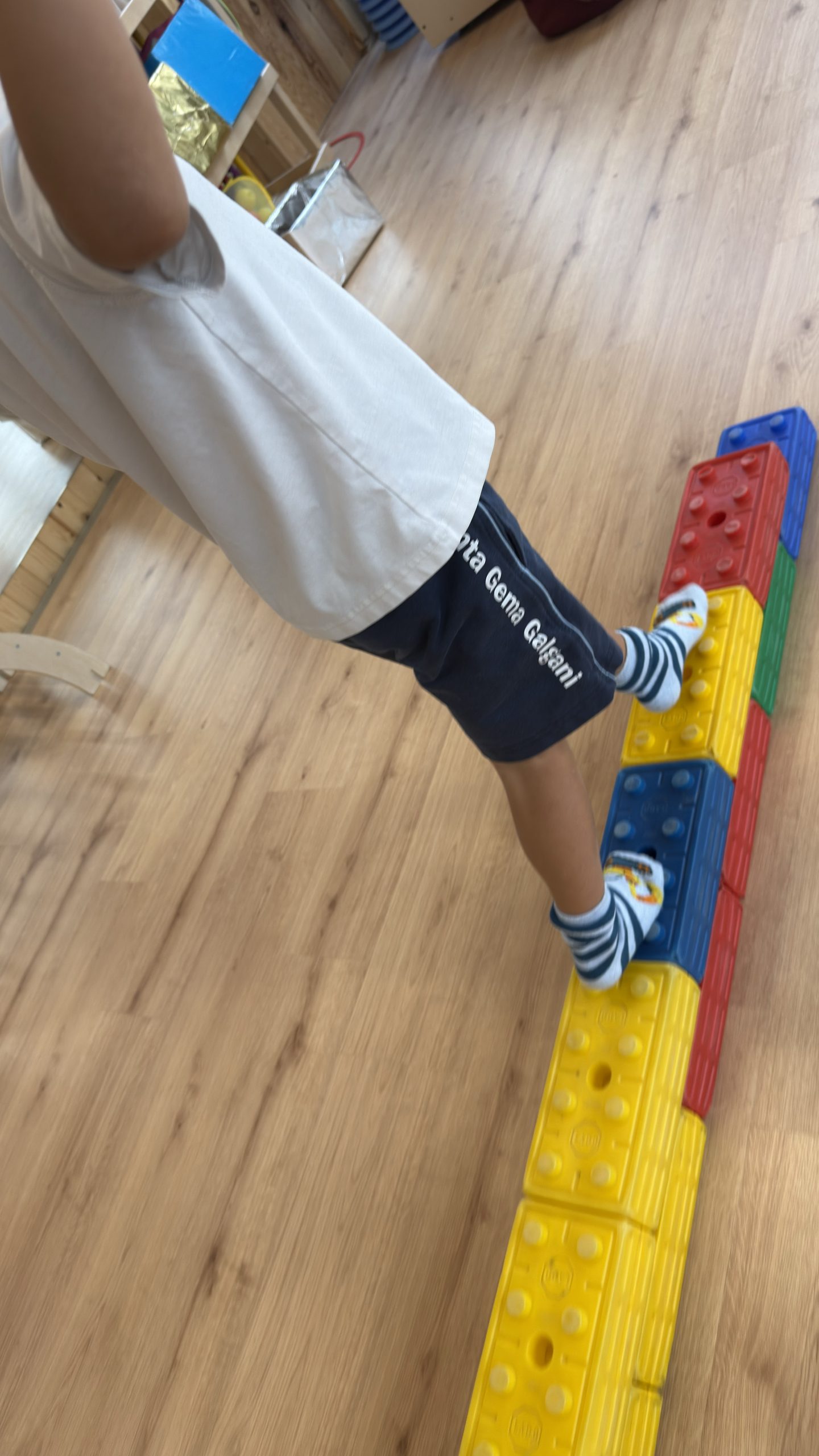
Active and motivating learning Through hands-on activity corners, drawing in sand, cooperative games, and experiential activities, we create an environment where children see mistakes as natural steps in learning. Seeing 3-year-olds identify sounds and watch them write their first English sentences by age 5 is immensely rewarding. The Jolly Phonics approach helps every child thrive. Thank you to the families for joining us on this exciting journey of literacy.